
How to Build Chatbots That Improve Efficiency and Cut Costs

Introduction

Editor’s note: Mary discusses the business possibilities of chatbots, as well as the major factors and complexity of implementation and upkeep. And if you want to create a custom chatbot solution, one data solution gladly assists with tailored AI application development.

Many medium and big enterprises turn to onedata solutions to manage enormous amounts of common requests from customers or workers. They typically argue that big teams of service agents are prohibitively expensive, while delays or poor-quality responses dramatically reduce customer satisfaction and employee efficiency. Frequently, we at onedata solutions recommend developing a chatbot as a realistic, cost-effective, and simple answer to such problems.

What is a chatbot?

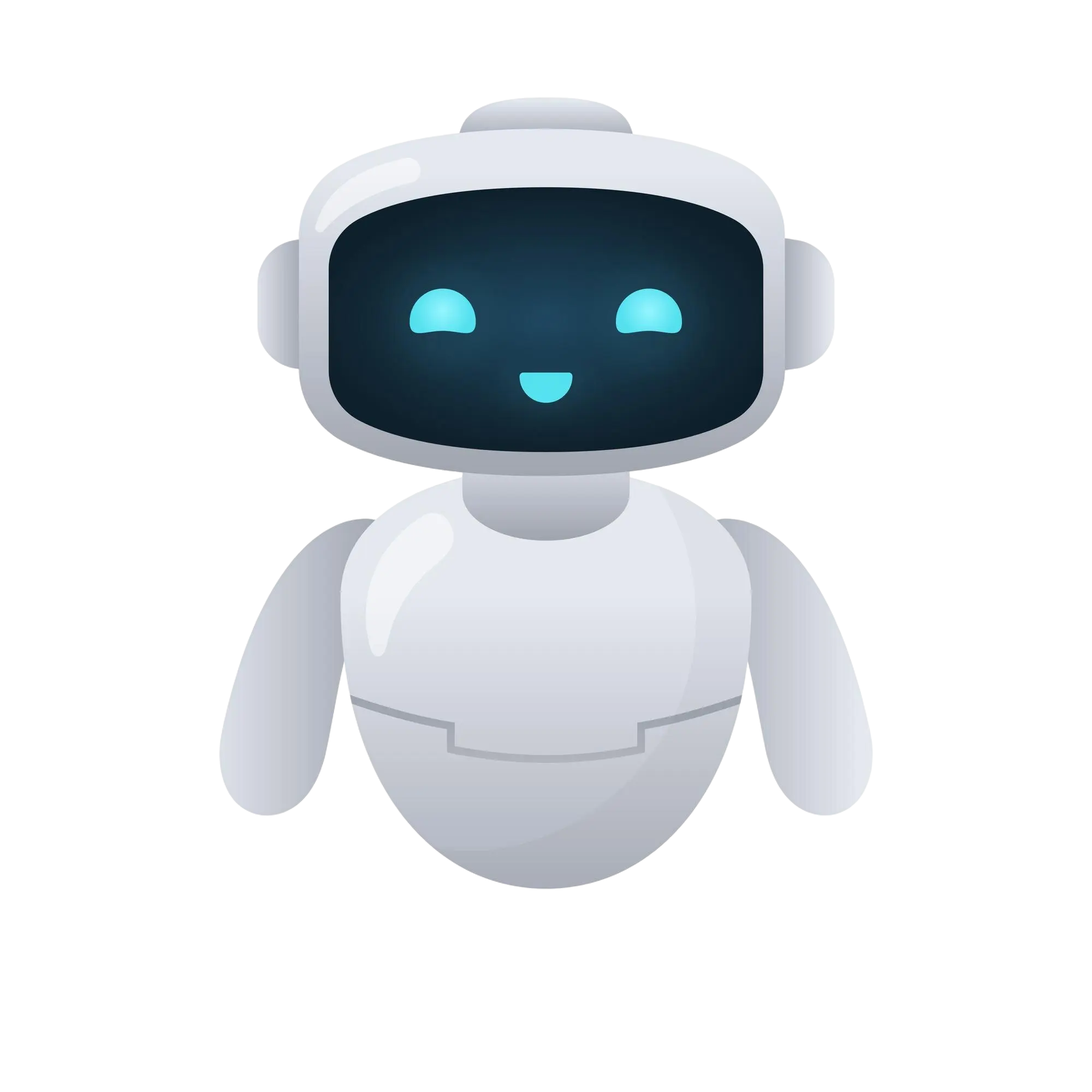
When a service (business) chatbot gets inquiries or basic requests in natural language, it reformulates them to make them comprehensible for other software systems, triggers and gathers the necessary information from other systems, and then converts it back into the natural language of a human conversation.

Bots for instant messaging (IM) can be used on various platforms. Users can typically access them immediately from social media platforms (Facebook, Twitter), desktop and mobile messaging services (Telegram, Slack, Skype), or public websites or intranet pages.

You can use an IM bot for:

  • responding to often asked common questions.
  • Reserving seats, tickets, and apartments.
  • Scheduling meetings.
  • Place an order for products or food.
  • assisting, directing, and educating clients and staff.
  • scheduling workers, among other things.
  • Why aren’t chatbots used everywhere?
Why aren't chatbots used everywhere?

Because of their reputation, there is still a lot of suspicion around chatbots today. You’ve probably dealt with those early iterations of instant messaging bots as well. I also recall using one of those. I had to enter the exact match of the pre-defined request, thus it took me twelve tries to pass the request. After that, I had to wait for roughly ten minutes to receive the response, either due to a heavy load or the chatbot’s need to search through massive data sets. I recognize that it’s difficult to accept that chatbots may genuinely improve user experience and add real commercial value.

Fortunately, technology has improved significantly in recent years, and chatbots have become much more capable. They are now capable of handling heavy loads and have advanced to the point where they can mimic human speech. These days, chatbots are AI-powered programs that can mimic nearly genuine dialogue and have lengthy, meaningful discussions. Such chatbots can be a big benefit to the company in a lot of situations. Chatbots have demonstrated their capacity to improve employee experience, increase the effectiveness and caliber of standard query management, and greatly enhance end-user experience, whether it be in order management or customer support.

For instance, the American national railroad company Amtrak has seen a 50% boost in customer interaction and a 25% rise in booking rates since implementing Ask Julie. Approximately 50,000 calls a day, or more than 20 million encounters annually, should be handled by Julie. Every year, Amtrak saves $1 million on customer service.

Car Loans Canada had a five-fold boost in conversations when they adopted a conversational bot to assist with the completion of their auto loan applications as opposed to the conventional landing page conversion.

One data solution’s tip for chatbot implementation:

Certain chatbot development tools, like Amazon Lex, Azure Bot Service, Dialogflow, and Botpress, are used to generate chatbots. Both programmers and non-programmers can finish the task. What makes a difference? Through connections with back-end systems (order management systems, self-service software, billing software, and more), the expert team will guarantee more sophisticated functionality.

We at One Data Solution follow the accepted method for creating chatbots that are practical, effective, low risk, and reasonably priced. And I’d like to offer a few of its components here.

Move iteratively

We advise starting with the most basic jobs and working your way up to more complex ones while keeping an eye on the chatbot’s return on investment. In addition to saving a great deal of time and effort, this design prevents the creation of an advanced but pointless tool.

For instance, we didn’t plan the exact breadth and capabilities of our internal vacation chatbot when we first started developing it. The rationale was that it was difficult to forecast how end users would view a conversational bot and how many jobs could be assigned to it. We therefore started small with the initial release. The chatbot was permitted to check the available vacation dates and had a restricted set of purpose phrases. Following the implementation, we kept an eye on the chatbot’s actions and gathered user input.

Based on the data we got, we expanded the list of the bot’s intent words, created more channels for users to contact the bot, and enabled users to book trips using the chatbot in addition to viewing available dates. We stopped here since our objectives were met, but if users are happy with the quality and the chatbot’s return on investment is still high, more complicated requests can be made.

Think the architecture through in advance

It’s crucial to specify the right technical requirements for the chatbot architecture, even if you start small. They will make it possible for your chatbot to grow and accommodate new features in the future.

Add deep learning and NLP (natural language processing)

Chatbots are self-improving thanks to deep learning and natural language processing. When speaking with a consumer, they pick up new phrases and comprehend the main points of the conversation. Chatbots with NLP capabilities can carry lengthy, complex conversations that resemble those of a person. They won’t stop in the event of unanticipated circumstances, but they will try to get the conversation back on track or connect the customer to a live service representative.

Delegate more complex tasks to your chatbot

The most significant advancements come from chatbots that may provide information about a specific customer (their account, flight, tariff plan, order, payment) in addition to broad pre-planned queries. A chatbot should relate to pertinent systems for this. For instance, we can swiftly and securely enable the chatbot to retrieve data from the required systems when our clients have APIs for back-end systems or ESB. But since many of our clients lack one, we use robotic process automation (RPA).

How to measure a chatbot’s success

To ensure that your chatbot is effective and worthwhile, you should visualize its performance and value. This will also assist you in determining whether more enhancements are required. We advise our clients to monitor the following chatbot metrics:

  • To assess chatbot maturity:
  • User metrics: number of active users, user satisfaction.

First call goal completion. It’s very similar to how a service manager monitors agents.

After the first chatbot version is deployed, we recommend that the chatbot is periodically verified on a sample of dialog queries, and additional training is applied to improve it – either in-house or as a part of outsourced support.

  • Fallback rate.

To assess business impact:

  • Conversion / bounce / leads rate benchmarking.
  • Staff workload assessment.
CONCLUSION

Chatbots are no longer just a “nice-to-have” feature; they’ve become a practical business tool that can transform how companies handle customer interactions and internal processes. From reducing operational costs to improving response time and user satisfaction, the value they bring is hard to ignore.

However, successful chatbot implementation is not just about choosing the right tool. It requires thoughtful planning, the right architecture, continuous learning through AI technologies like NLP, and regular performance monitoring. Businesses that start small, adapt based on user feedback, and scale strategically are the ones that see the best results.

At the end of the day, a well-designed chatbot doesn’t replace human interaction; it enhances it. Taking care of repetitive tasks and streamlining communication allows teams to focus on what truly matters: delivering better experiences and building stronger relationships.

If you’re looking to build a chatbot tailored to your business needs, One Data Solution can help you design and implement a solution that delivers a real, measurable impact.

FAQs
1. What is a chatbot in simple terms?

A chatbot is an AI-powered software that interacts with users through text or voice, helping businesses automate responses, answer queries, and perform tasks like booking or support.

Chatbots reduce costs by handling repetitive queries, minimizing the need for large support teams, reducing response time, and operating 24/7 without additional staffing expenses.

No, chatbots are designed to support and not replace humans. They handle routine tasks while complex issues are transferred to human agents for better resolution.

Not necessarily. Many tools like Dialogflow, Botpress, and Azure Bot Service allow non-developers to create basic chatbots. However, advanced features require technical expertise.

Chatbots can be deployed on websites, mobile apps, and messaging platforms like Facebook Messenger, WhatsApp, Telegram, Slack, and more.

Table of content
Mobile App Development Company

Leave a Reply

Your email address will not be published. Required fields are marked *

Read Our Other Articles

Scroll to Top

CONTACT OUR
BUSINESS DEVELOPMENT EXPERT

Contact Form